10 Kids Closet Organization Ideas That Make the Mess Disappear
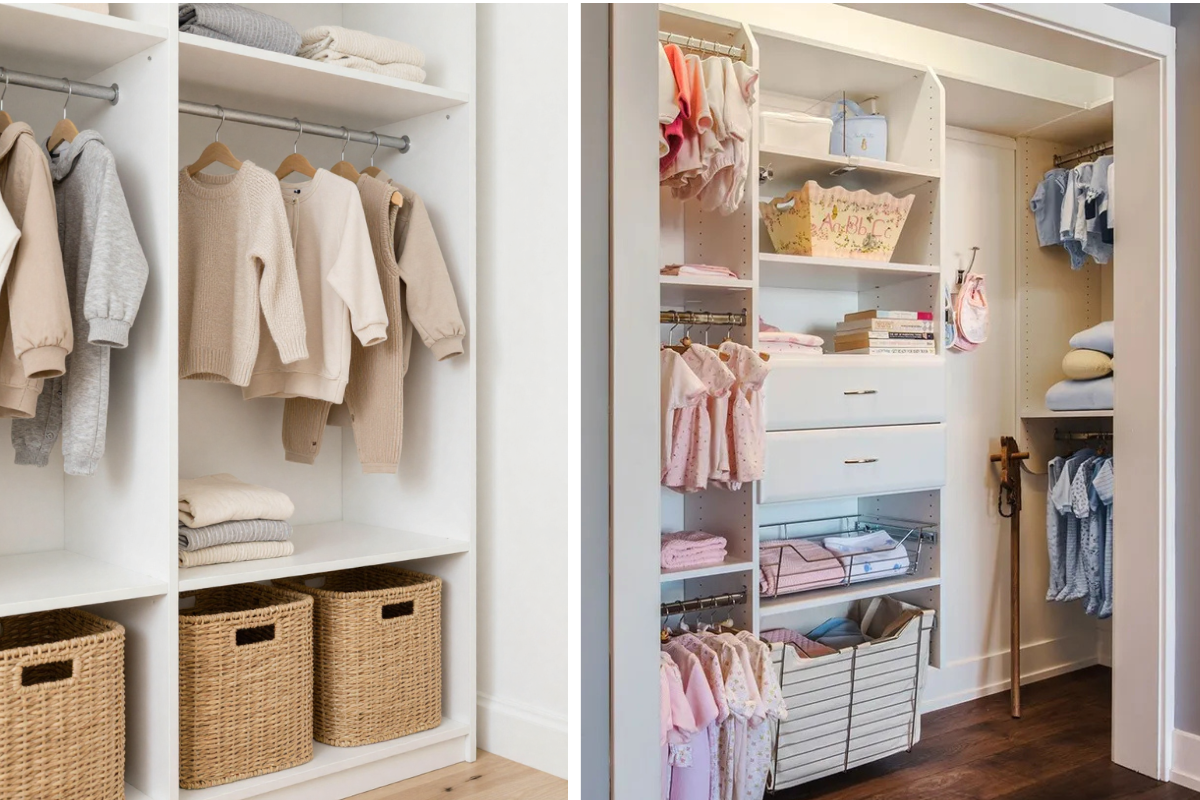
Kids’ clothes may be tiny, but keeping them organized can feel like a big challenge. Between small socks, outgrown outfits, favorite costumes, stuffed animals, and endless accessories, a child’s closet can become messy faster than you expect.
The secret to a functional kids’ closet is not having a huge space—it’s using the space you already have wisely. Smart storage solutions, easy-to-reach areas, and simple organizing systems can transform even a small closet into a neat and beautiful space.
These creative ideas focus on maximizing every inch while making the closet easy for kids and parents to maintain.
1. Add Built-In Storage for a Clean and Organized Look
Built-in storage is one of the best ways to create a closet that feels calm and clutter-free.
Shelves, drawers, and hanging areas that reach from floor to ceiling help you use every available inch. This is especially helpful in small closets where wasted space can quickly become a problem.
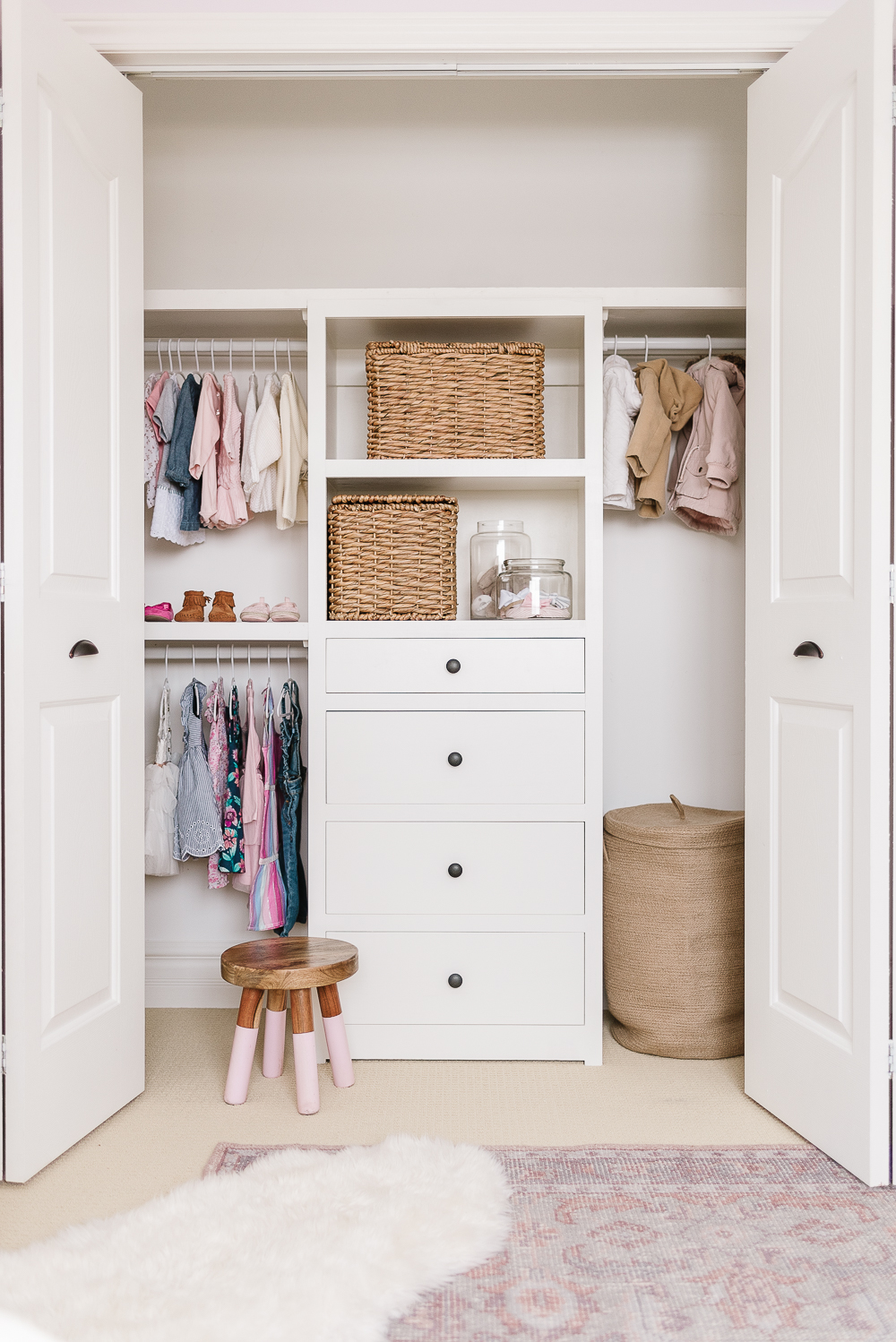
With designated spots for clothing, shoes, and accessories, everything feels easier to find and put away.
A well-designed built-in system also gives the closet a polished, custom look without making it feel crowded.
2. Organize Clothes by Color
A color-organized closet is not only beautiful to look at—it also makes daily routines easier.
Arrange clothes from light to dark shades or group similar colors together. This simple trick creates a more peaceful visual appearance and helps kids quickly find their favorite outfits.
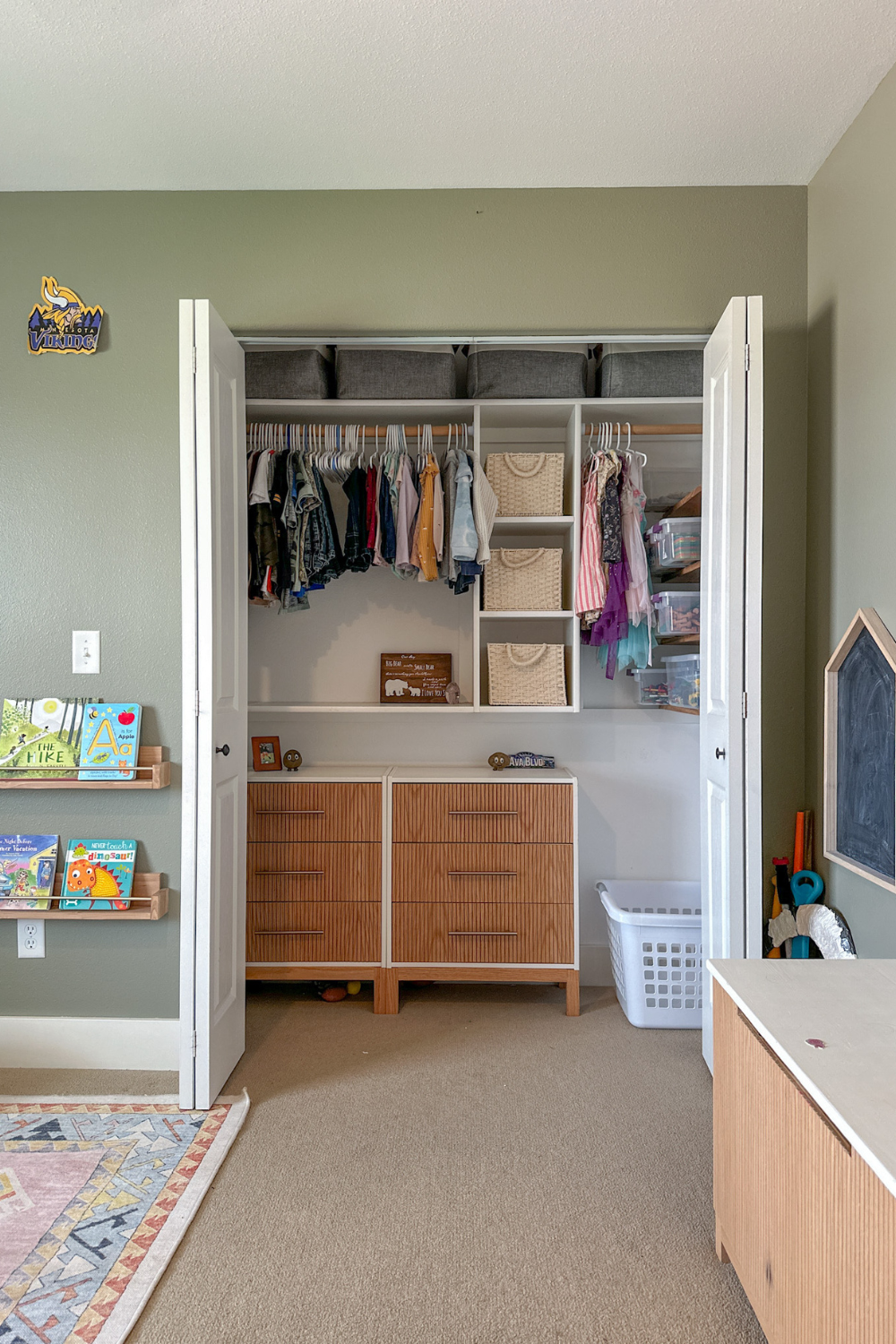
Even when the closet is full, color coordination can make it feel more organized and intentional.
It is also a fun way to teach children about keeping their belongings in order.
3. Add Wallpaper to Create a Fun Closet Design
A closet does not have to be a boring storage space.
Adding wallpaper to the back wall or inside shelves can instantly make the area feel more stylish and personalized.
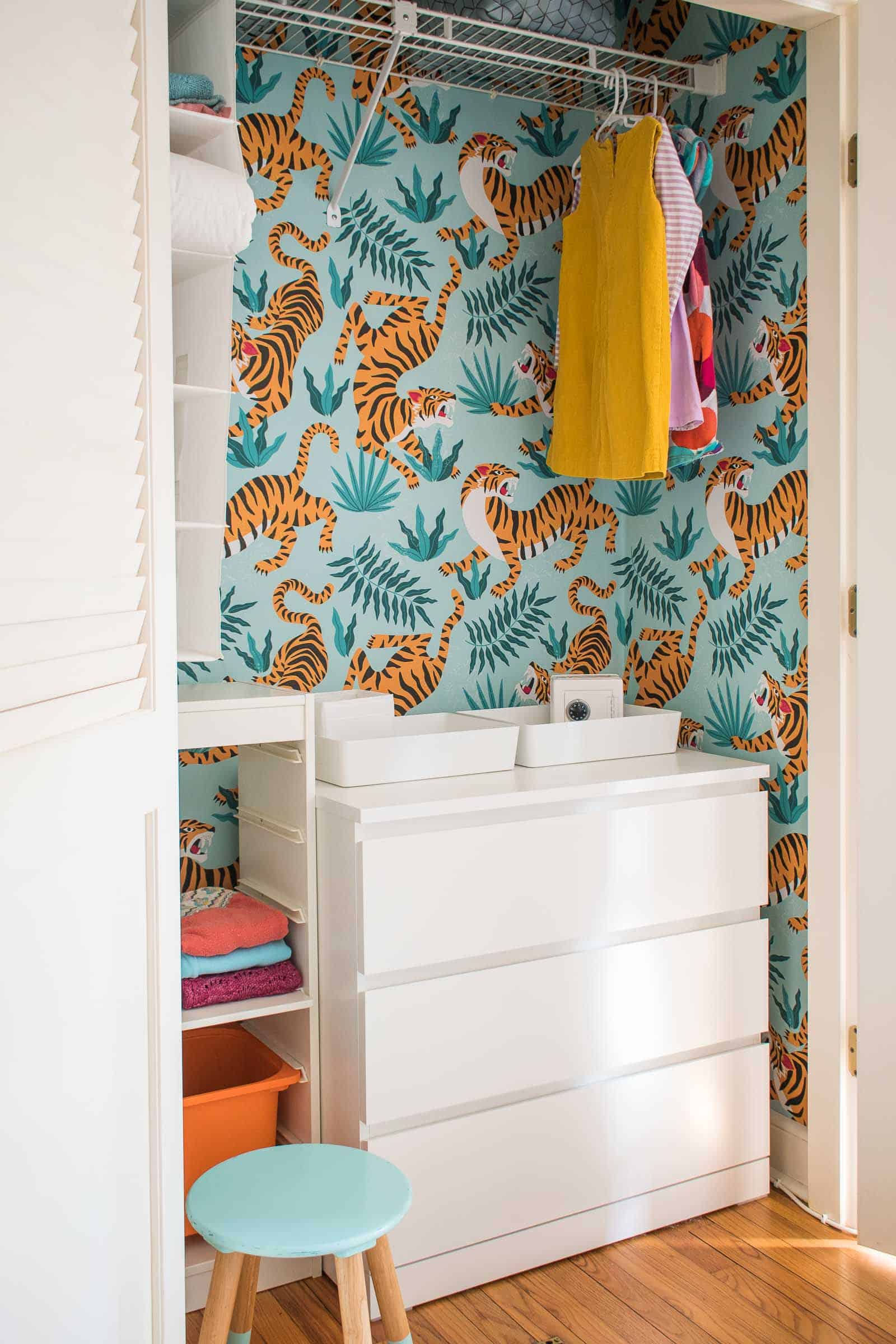
Choose playful patterns for younger children or softer designs that can grow with them over time.
Wallpaper adds personality without taking up any extra space, making it a perfect upgrade for a small kids’ closet.
4. Use Cubbies and Pull-Out Drawers for Everyday Items
Not every item needs to hang on a hanger.
Cubbies and drawers are perfect for storing pajamas, leggings, toys, accessories, and everyday clothes.
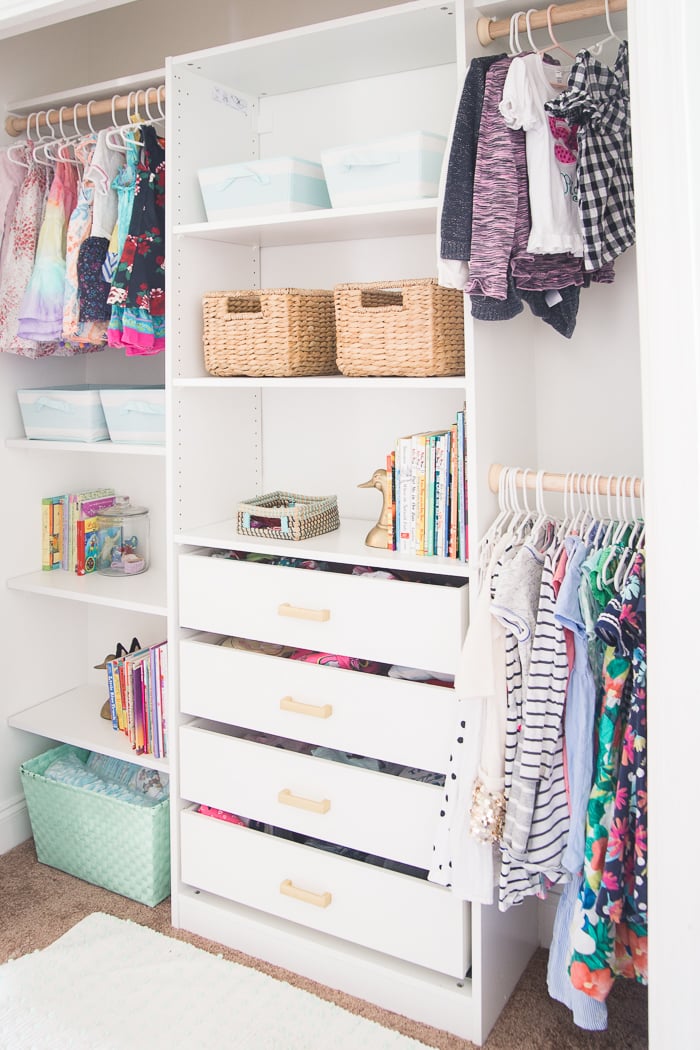
Pull-out drawers make it easy to hide clutter while keeping everything accessible. Kids can quickly grab what they need and put things away without creating a mess.
Adding labels to bins and drawers can make organization even easier, especially for younger children.
5. Create a Dress-Up Clothing Station
Costumes and pretend-play outfits can easily become a messy pile.
A small clothing rack is a simple way to keep dress-up clothes organized and ready for playtime.
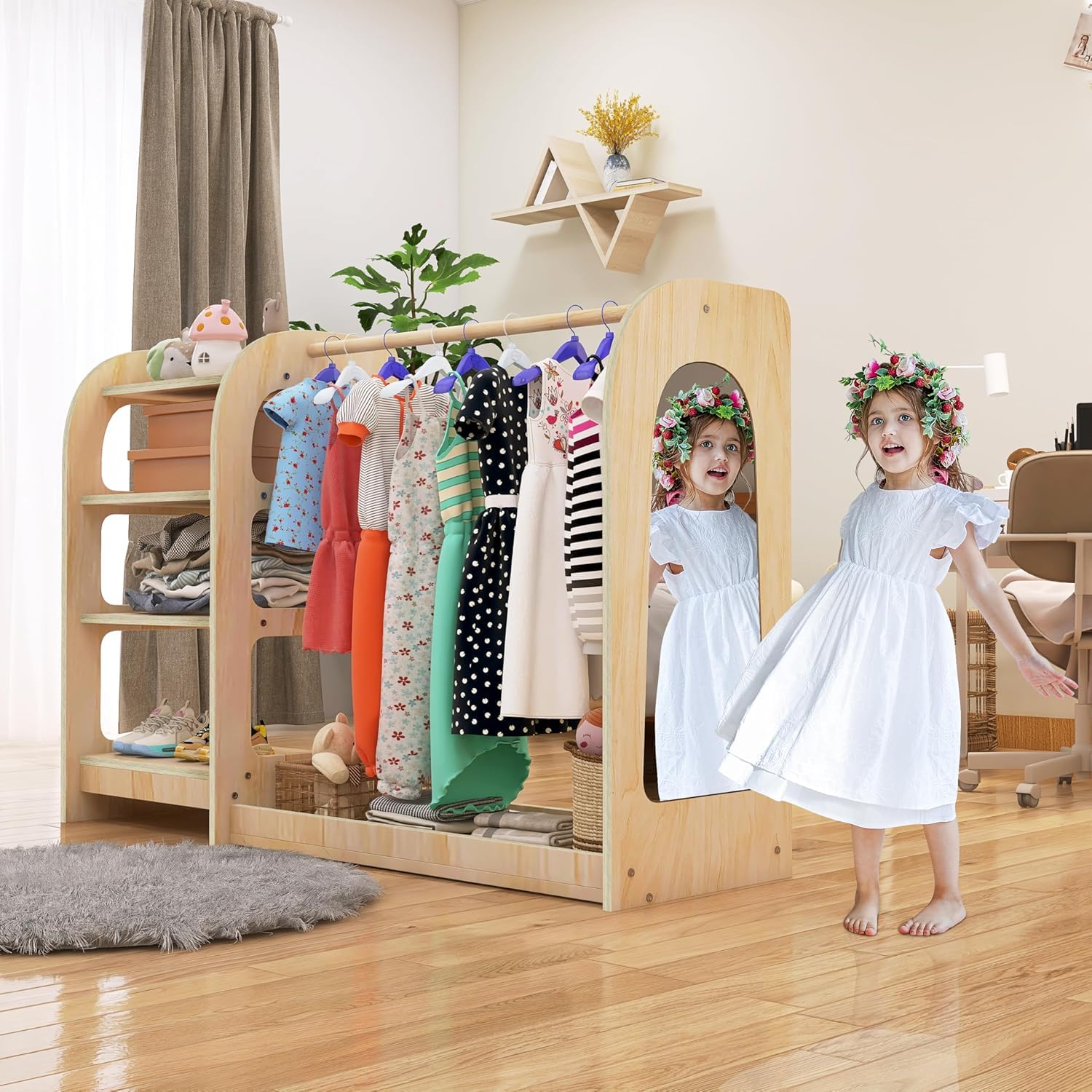
Kids can see their options, choose outfits independently, and learn to hang items back up after they finish playing.
This setup also turns everyday storage into a fun feature that encourages creativity.
6. Use the Top Shelf for Seasonal and Less-Used Items
The highest areas of a closet are often forgotten, but they can provide valuable storage space.
Use baskets or labeled containers on the top shelf for items your child does not need every day.
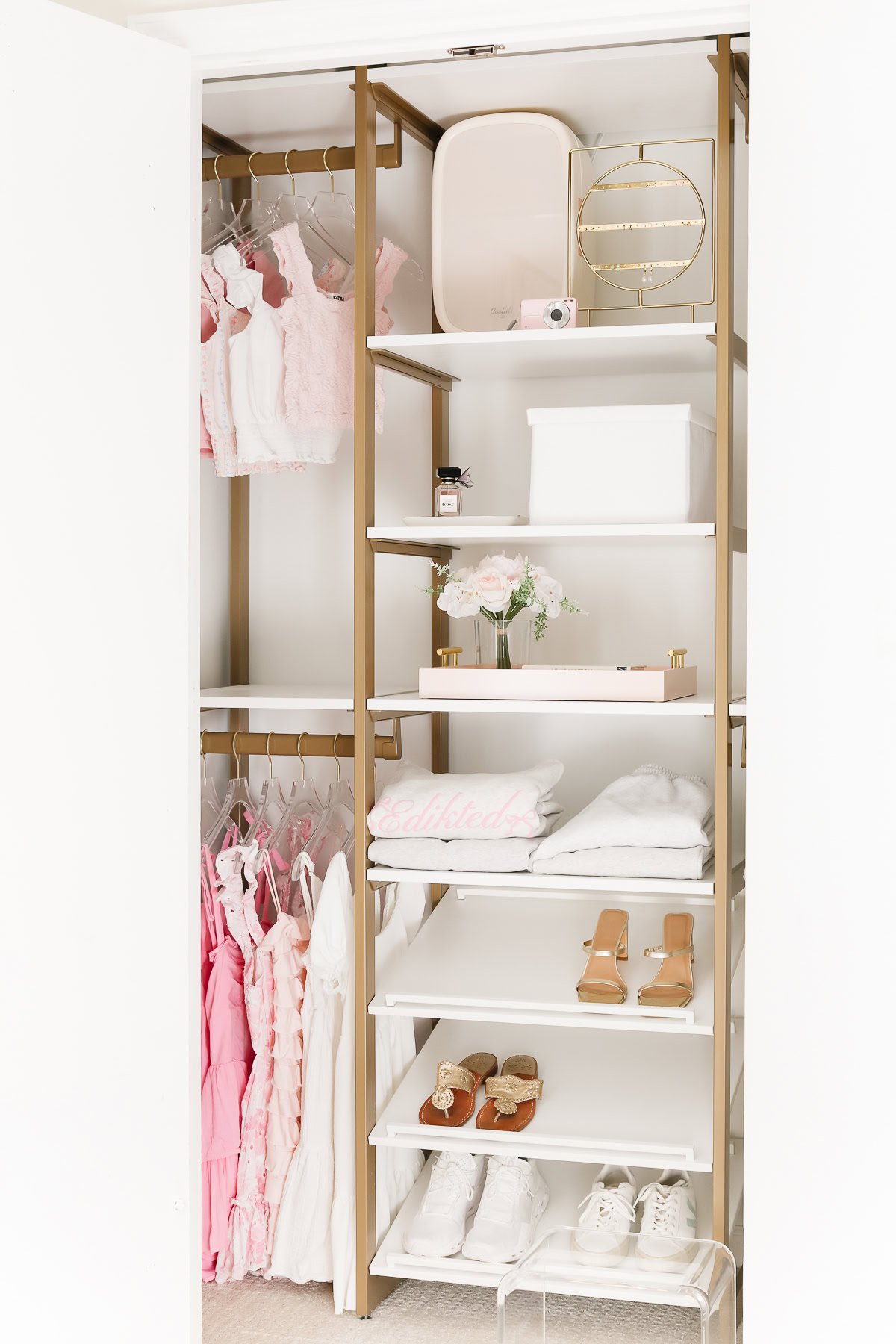
Perfect items for this area include:
- Seasonal clothing
- Extra blankets
- Special occasion outfits
- Keepsake items
- Outgrown clothes waiting for siblings
Keeping these items higher up leaves lower shelves and hanging areas free for everyday essentials.
7. Keep Clothes Visible and Easy to Access
A crowded closet can make mornings stressful.
Avoid stuffing too many clothes into a small space. Leave enough room between hangers so every item is easy to see.
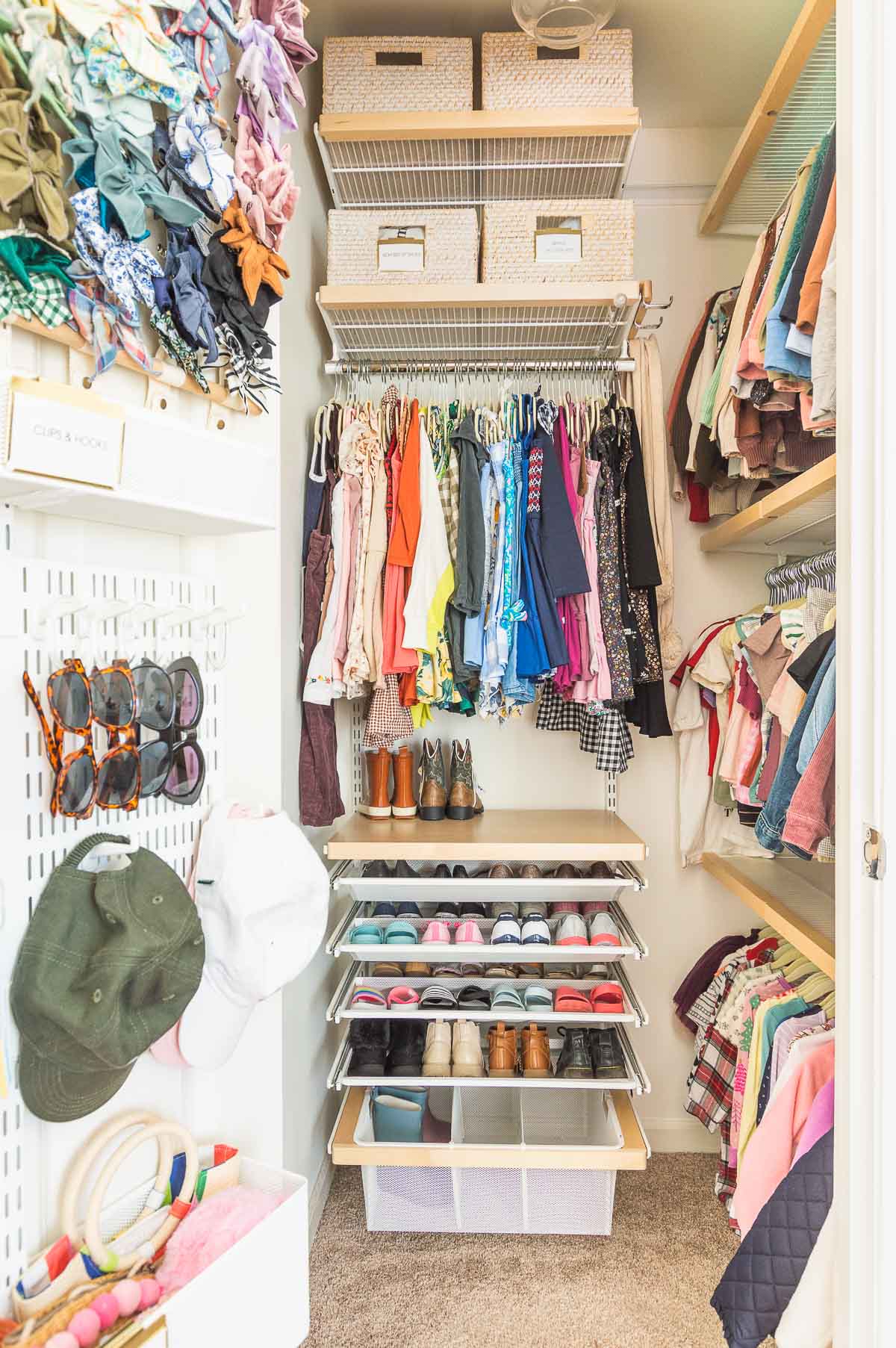
You can also organize outfits together by pairing tops with bottoms or creating ready-to-wear sections.
When kids can see their choices clearly, getting dressed becomes faster and less frustrating.
8. Personalize the Closet as Your Child Grows
A closet should feel like your child’s own little space.
Let them choose details such as colorful bins, fun labels, or their favorite hanger colors.
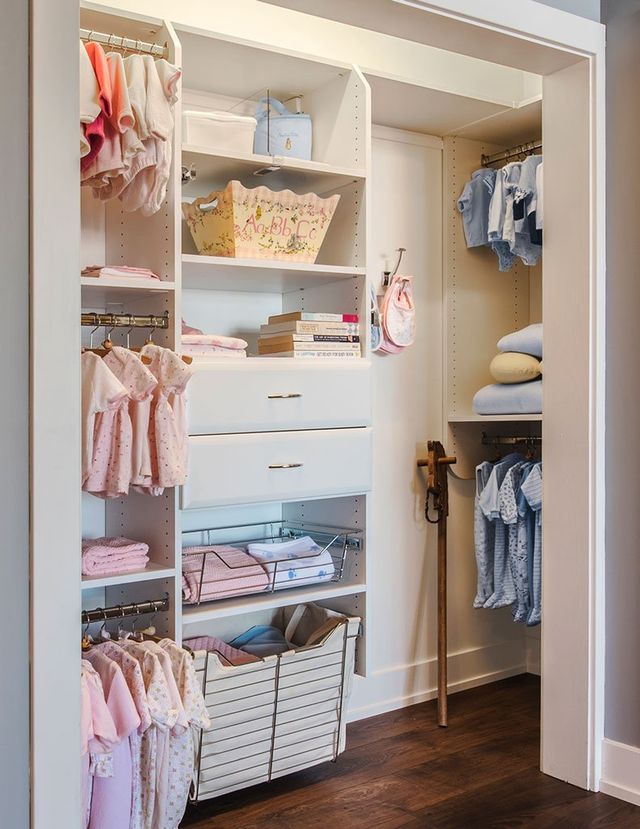
Small personal touches help children feel connected to their space and encourage them to take responsibility for keeping it organized.
As their needs change, the closet can easily be updated with new storage ideas that fit their age and lifestyle.
9. Create Separate Zones for Shared Kids’ Closets
Shared closets can work beautifully when each child has a clear area.
Divide the closet into separate zones with matching shelves, baskets, or hanging sections.

This makes it easier for children to know where their belongings belong and prevents clothing from becoming mixed together.
A balanced layout also creates a cleaner and more organized appearance.
10. Find a Smart Solution for Stuffed Animals
Stuffed animals are adorable, but they can quickly take over a child’s room and closet.
Instead of letting them pile up on shelves or the floor, create a dedicated storage solution.

A hanging organizer, basket, or special stuffed animal storage bin keeps favorites accessible while reducing clutter.
Kids can still enjoy their favorite toys without making the entire room feel messy.
Final Thoughts
A kids’ closet does not need to be large or expensive to work well.
The best organization systems focus on making everyday life easier with smart storage, simple routines, and spaces that kids can actually use.
By adding clear zones, maximizing vertical space, and creating a place for everything, you can turn even the messiest closet into a functional and stylish part of your home.
A little organization today can make busy mornings, laundry days, and daily routines feel much more manageable.