15 Common Mistakes That Are Making Your Bedroom Feel Smaller, According to Designers
Your bedroom should feel like a peaceful retreat, but sometimes small design choices can make it feel more cramped than it actually is.
Even a spacious bedroom can start feeling tight when furniture placement, colors, lighting, and storage solutions are not working together.
Interior designers often focus on creating balance, improving flow, and making every inch count. The good news is that you do not need a major renovation to make your bedroom feel bigger.
Small changes can create a more open, comfortable, and relaxing space.
Here are the most common bedroom mistakes that may be making your room feel smaller—and how to fix them.
1. Choosing Furniture That Is Too Large
One of the biggest mistakes in a bedroom is using furniture that overwhelms the space.
A large bed, oversized nightstands, or bulky dressers can make the room feel crowded and leave little room for movement.
Designers recommend choosing furniture that fits your bedroom’s size while still providing the function you need.
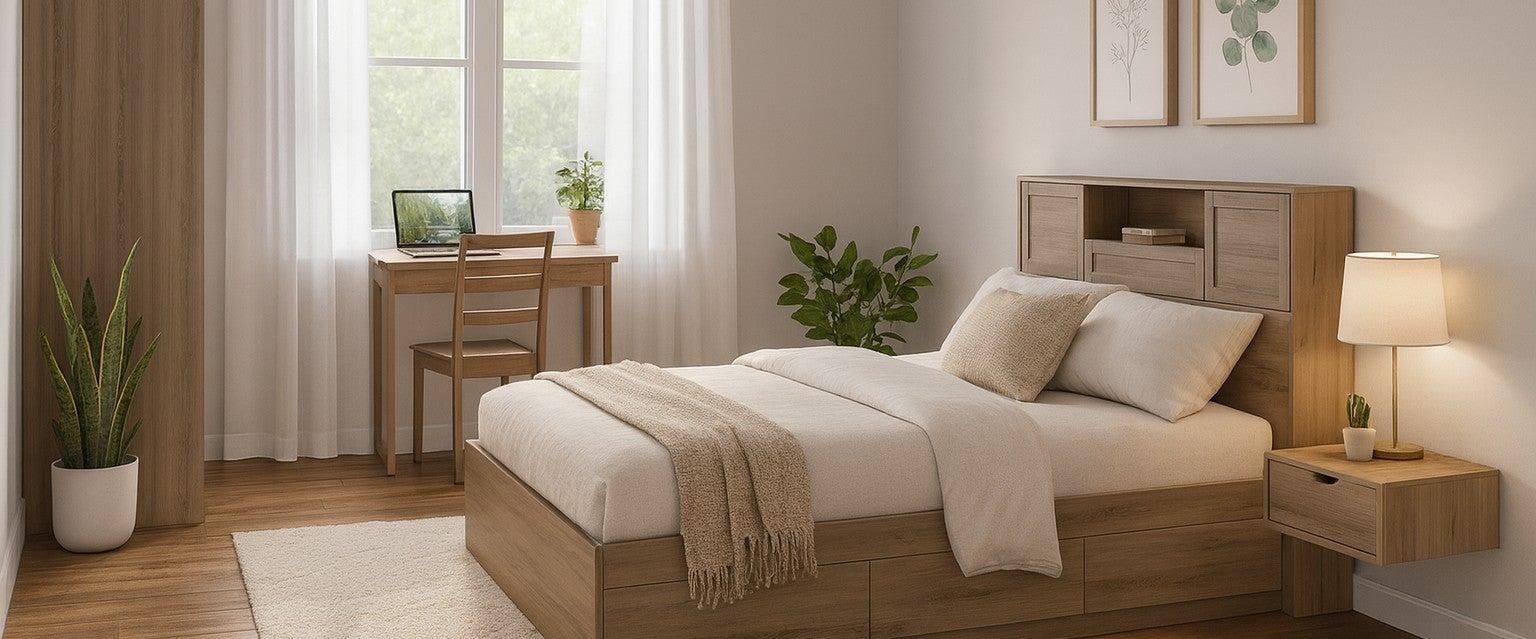
A smaller bed frame, slim nightstands, or furniture with raised legs can instantly create a lighter look.
2. Blocking Natural Light
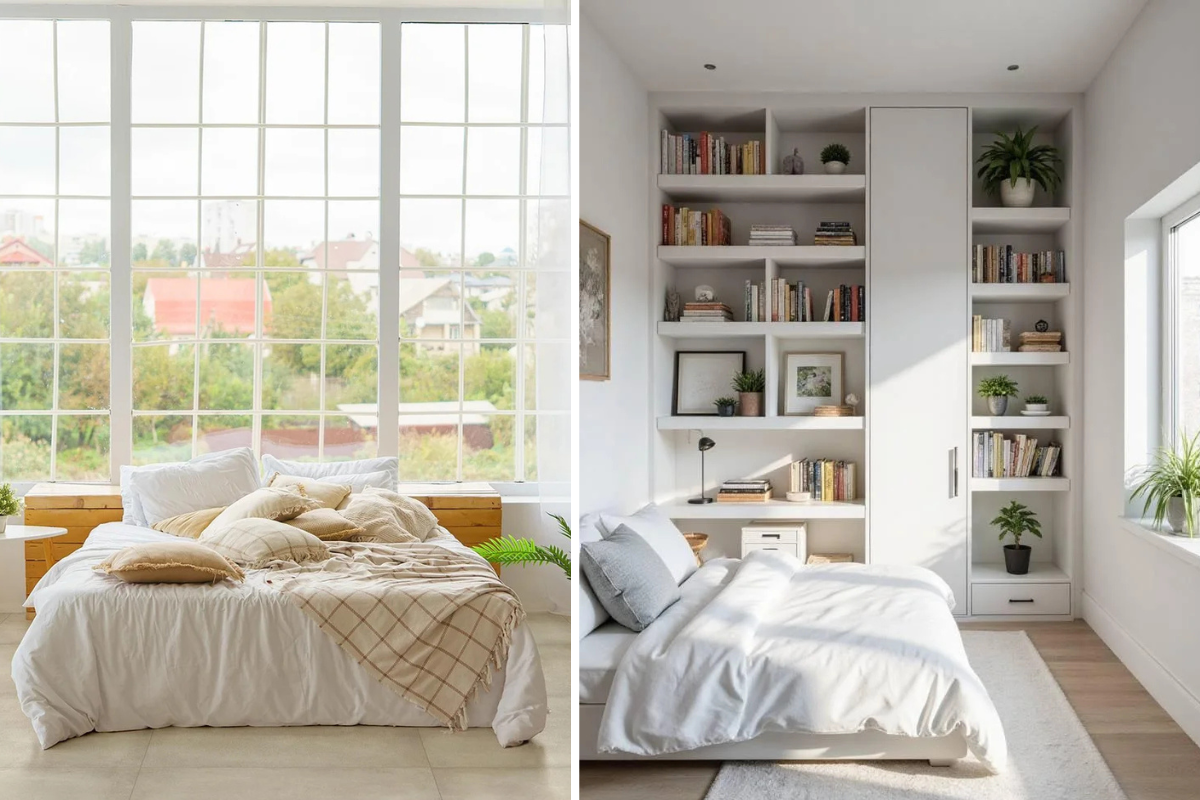
Natural light is one of the easiest ways to make a bedroom feel larger.
Heavy curtains, dark window coverings, or furniture blocking windows can reduce brightness and make the room feel closed in.
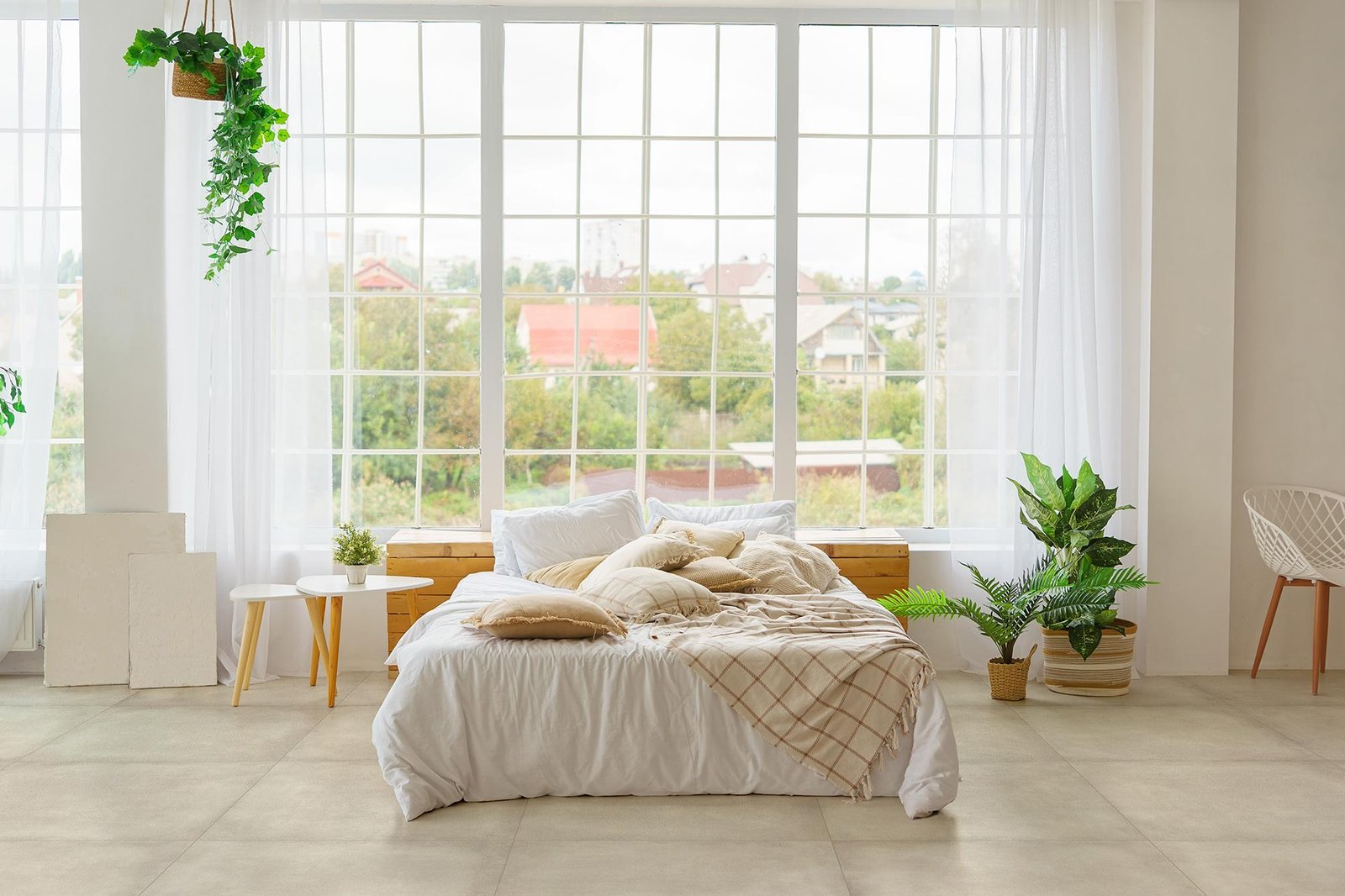
Use lightweight curtains or sheer panels to allow sunlight to flow through the space.
A brighter bedroom automatically feels more open and airy.
3. Using Too Many Dark Colors
Dark colors can create a cozy atmosphere, but using too much of them in a small bedroom may make the space feel smaller.
Deep shades on walls, furniture, and bedding can absorb light and make the room appear enclosed.
Instead, try lighter colors like:
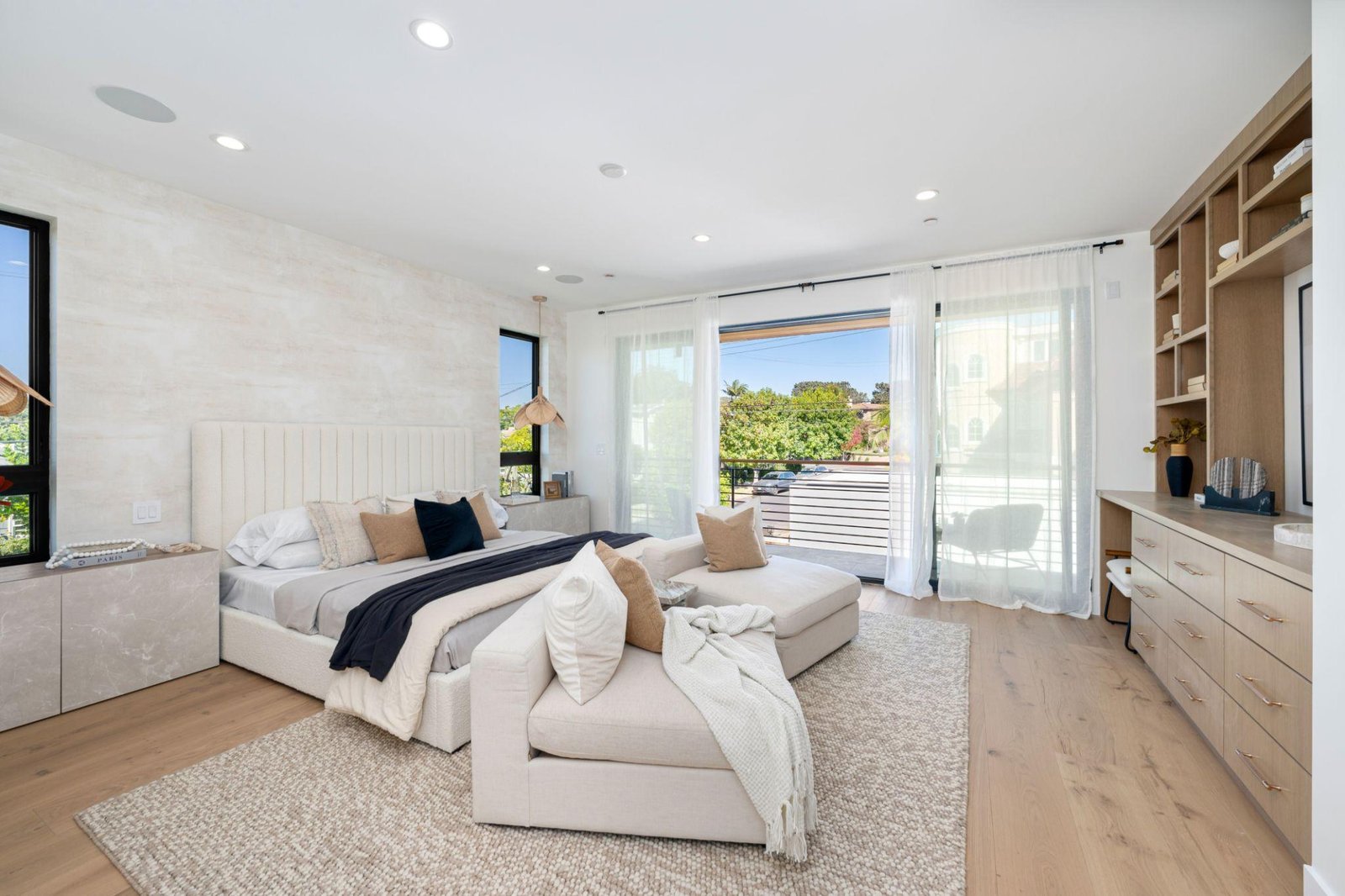
- Soft white
- Beige
- Light gray
- Warm cream
- Pale green
You can still add darker accents through pillows, artwork, or decor.
4. Pushing All Furniture Against the Walls
Many people believe placing every piece of furniture against the wall will create more space.
However, this can sometimes make a bedroom feel less balanced.
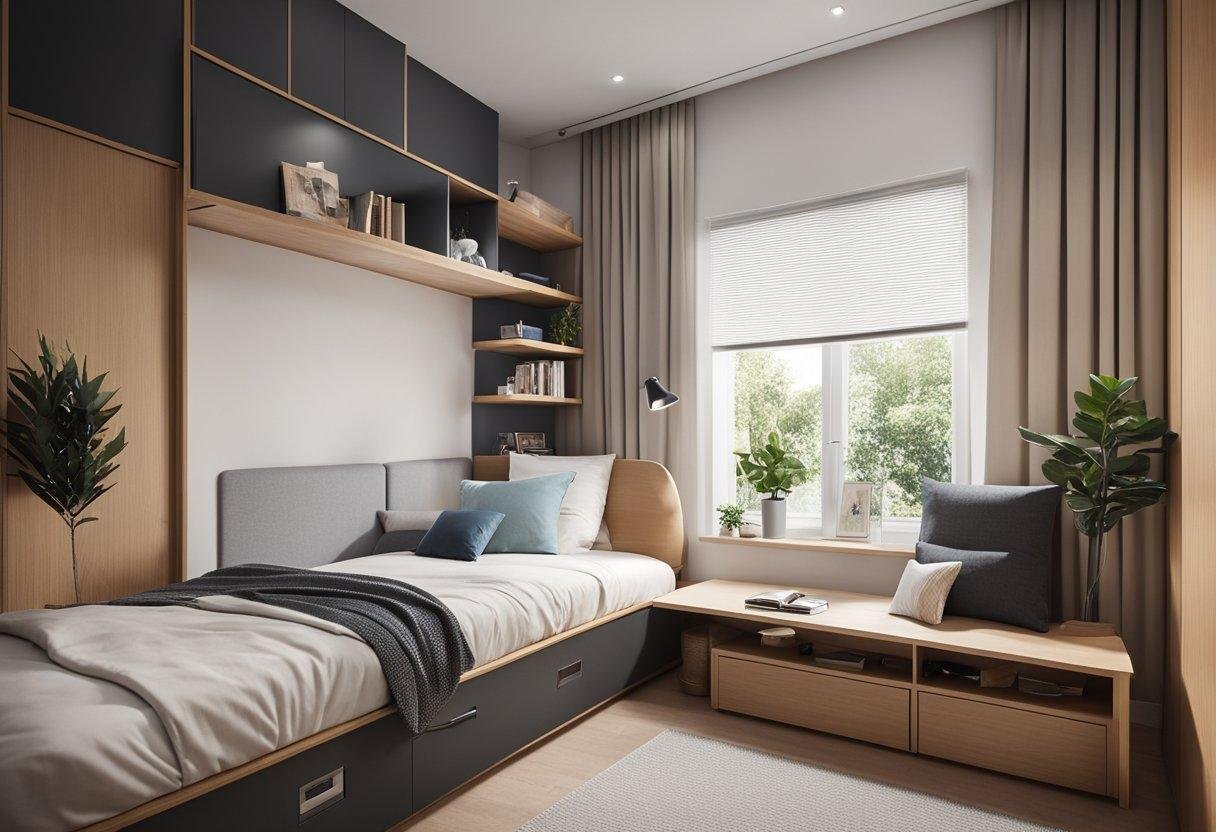
A thoughtful layout with proper spacing creates better flow and makes the room feel intentionally designed.
Even small adjustments can improve how the space feels.
5. Adding Too Much Decor
Decor adds personality, but too many items can quickly create visual clutter.
A crowded nightstand, too many wall decorations, and excessive accessories can make a bedroom feel smaller.
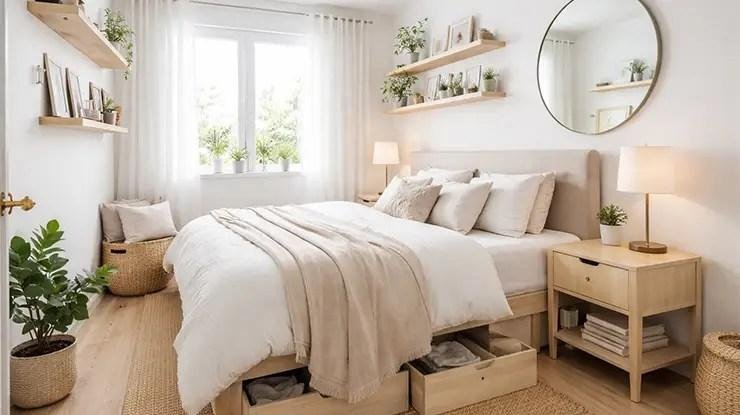
Choose a few meaningful pieces instead of filling every empty space.
A simple room often feels more spacious and relaxing.
6. Ignoring Vertical Space
Many bedrooms have unused wall space that could provide valuable storage.
Tall shelves, vertical cabinets, and wall-mounted storage help keep the floor area open.
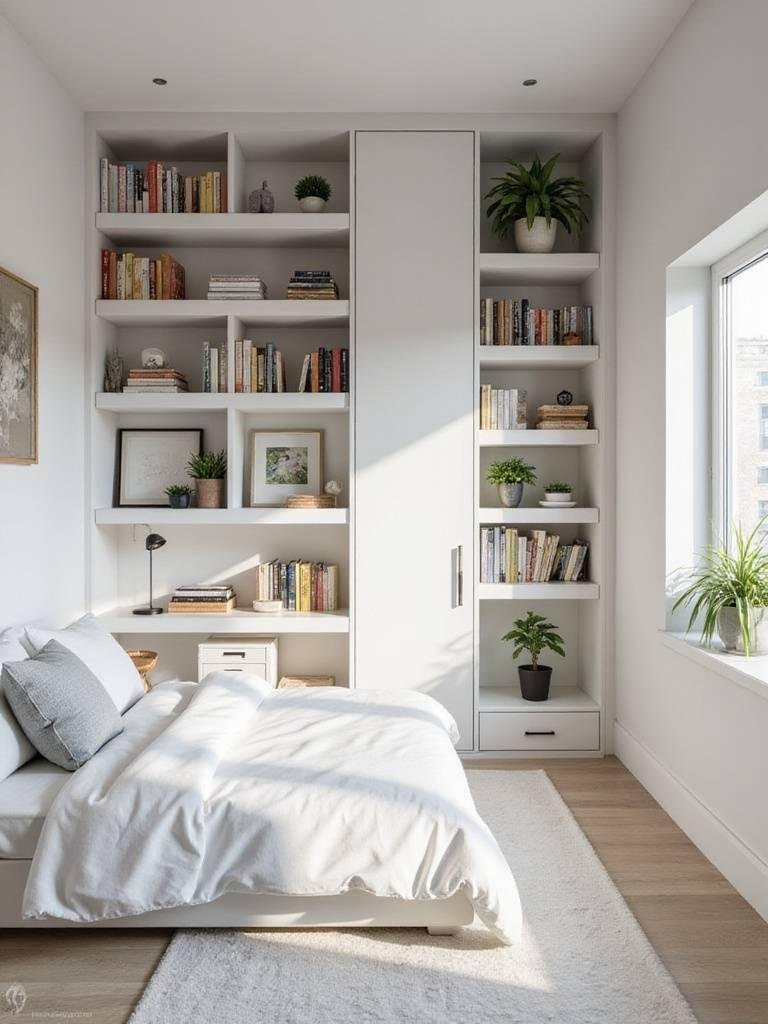
Using height instead of width makes the room feel larger while adding functionality.
7. Choosing the Wrong Rug Size
A rug that is too small can make your bedroom feel disconnected and smaller.
Designers often recommend choosing a rug large enough to anchor the bed and surrounding furniture.
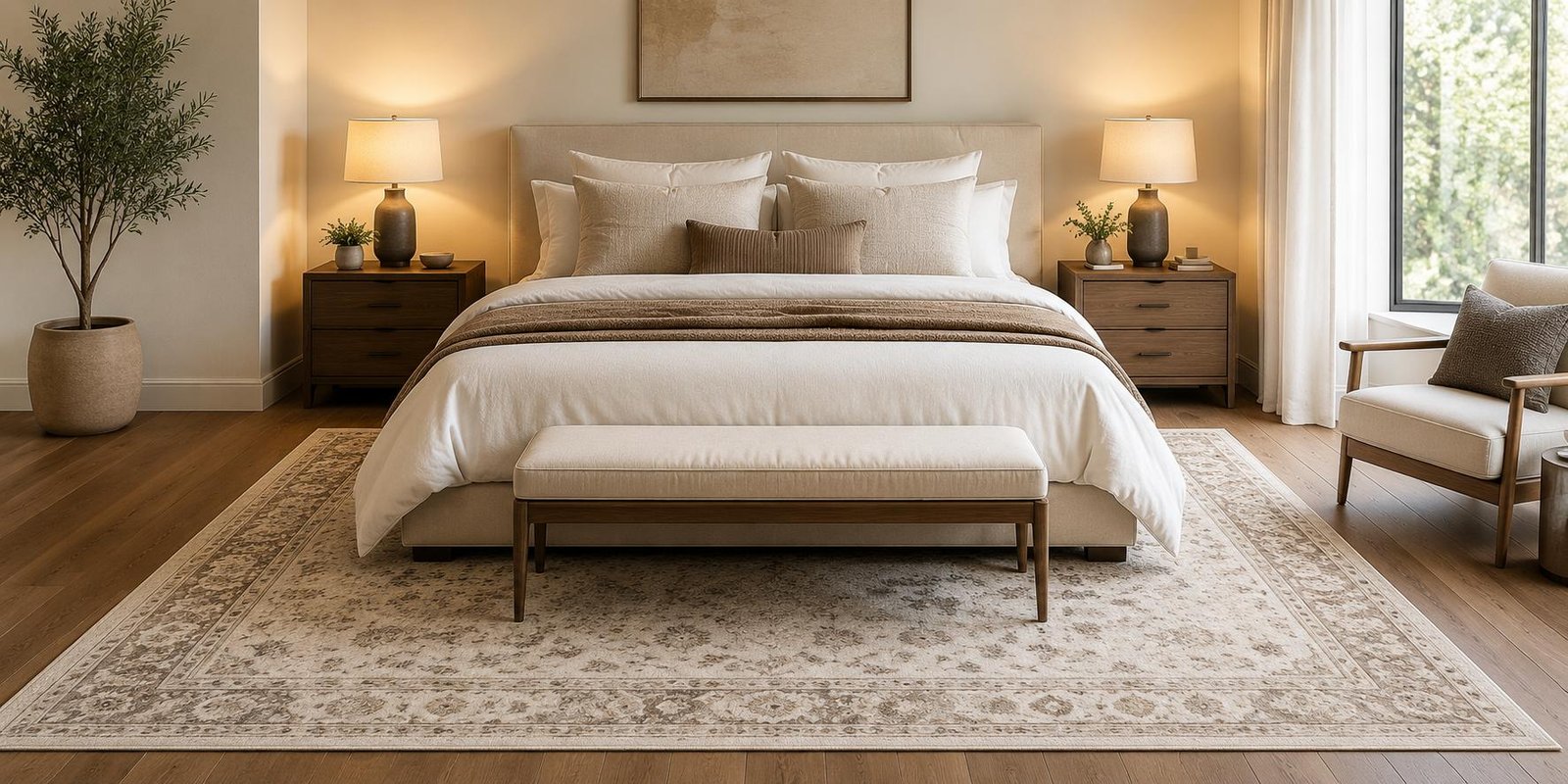
A properly sized rug creates a more balanced and finished look.
8. Using Poor Lighting
A single ceiling light can make a bedroom feel flat and less inviting.
Layered lighting creates depth and makes the room appear larger.
Try combining:
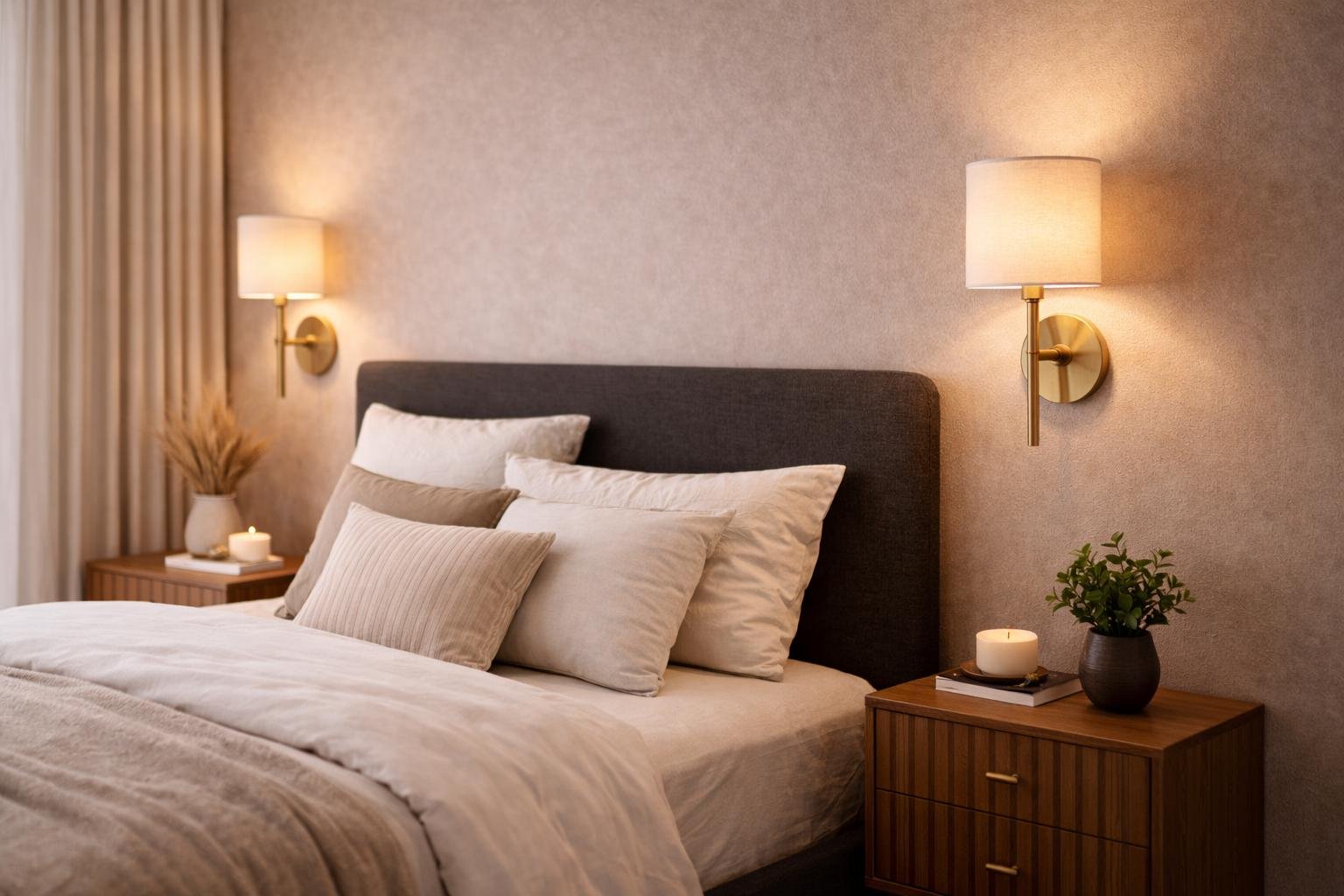
- Ceiling lighting
- Bedside lamps
- Wall sconces
- Soft accent lights
Good lighting helps every corner of the bedroom feel usable.
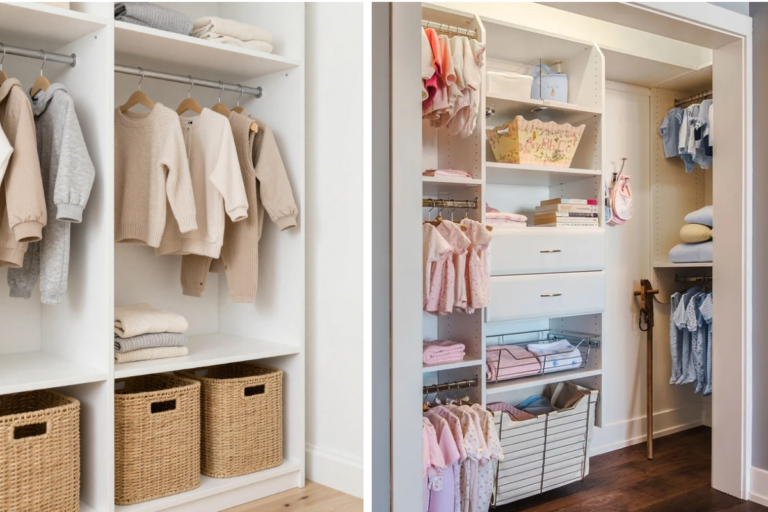
9. Having Too Much Visible Storage
Open clutter makes any bedroom feel smaller.
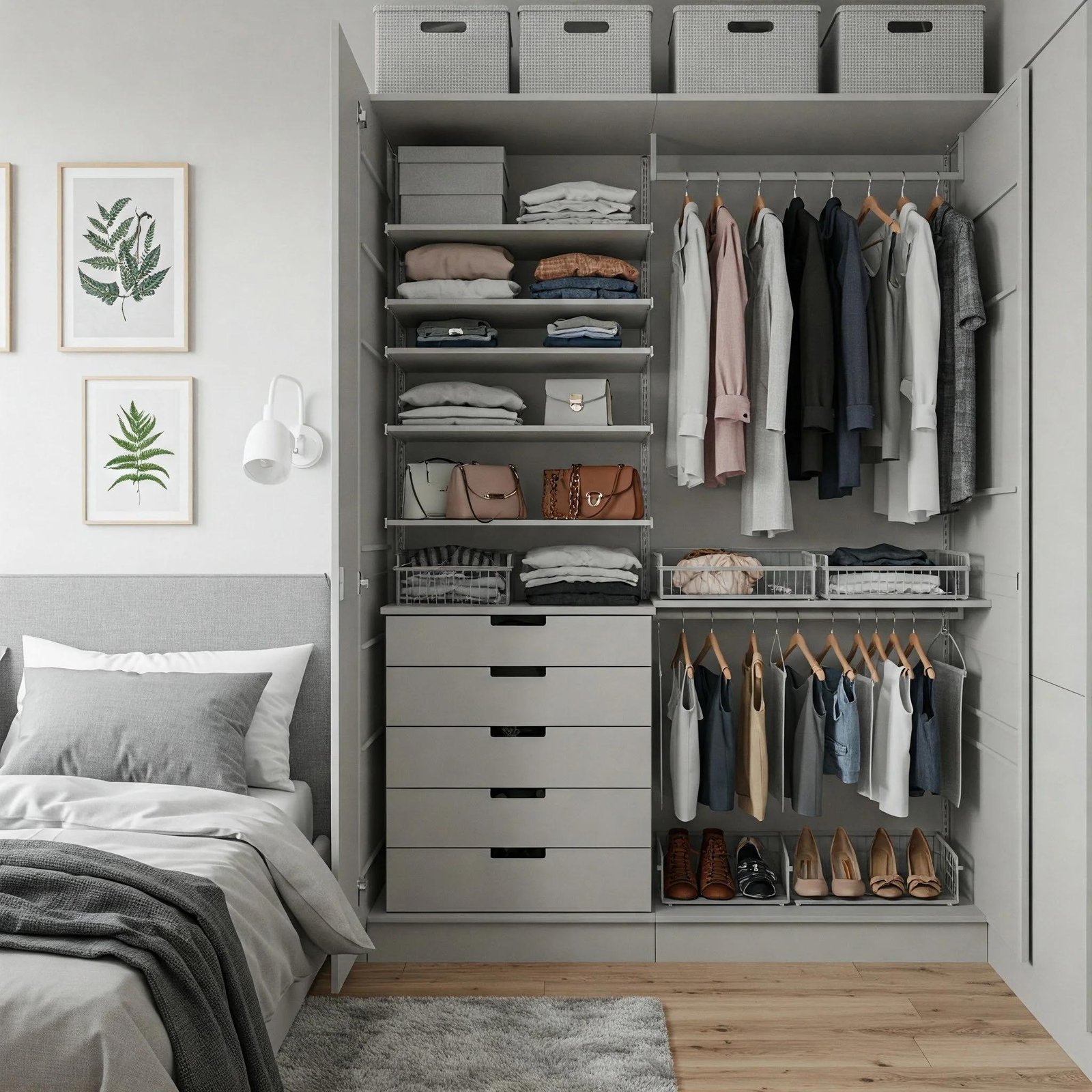
Too many visible shelves, stacked items, or overflowing baskets create visual noise.
Use closed storage solutions whenever possible to maintain a cleaner appearance.
10. Hanging Curtains Too Low
Curtain placement can change how tall your bedroom feels.
Hanging curtains directly above the window can make ceilings appear lower.
Designers recommend placing curtain rods closer to the ceiling and allowing curtains to reach the floor.
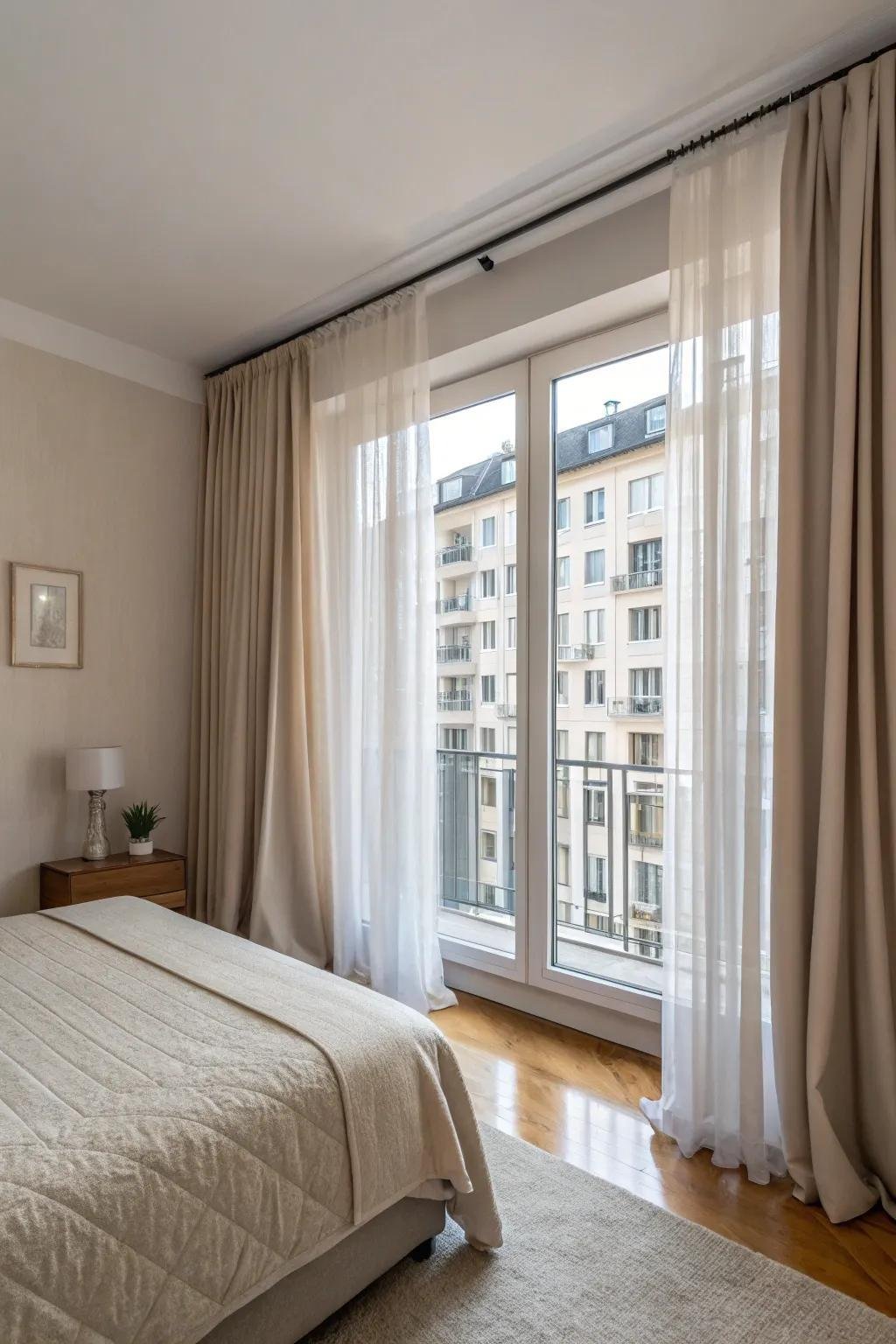
This creates the illusion of taller walls.
11. Choosing Busy Patterns Everywhere
Patterns can add personality, but using too many bold designs in a small bedroom can make the space feel overwhelming.
Large prints on wallpaper, bedding, curtains, and rugs can compete for attention and create visual clutter.
Instead, choose one statement pattern and balance it with simple textures and neutral pieces.
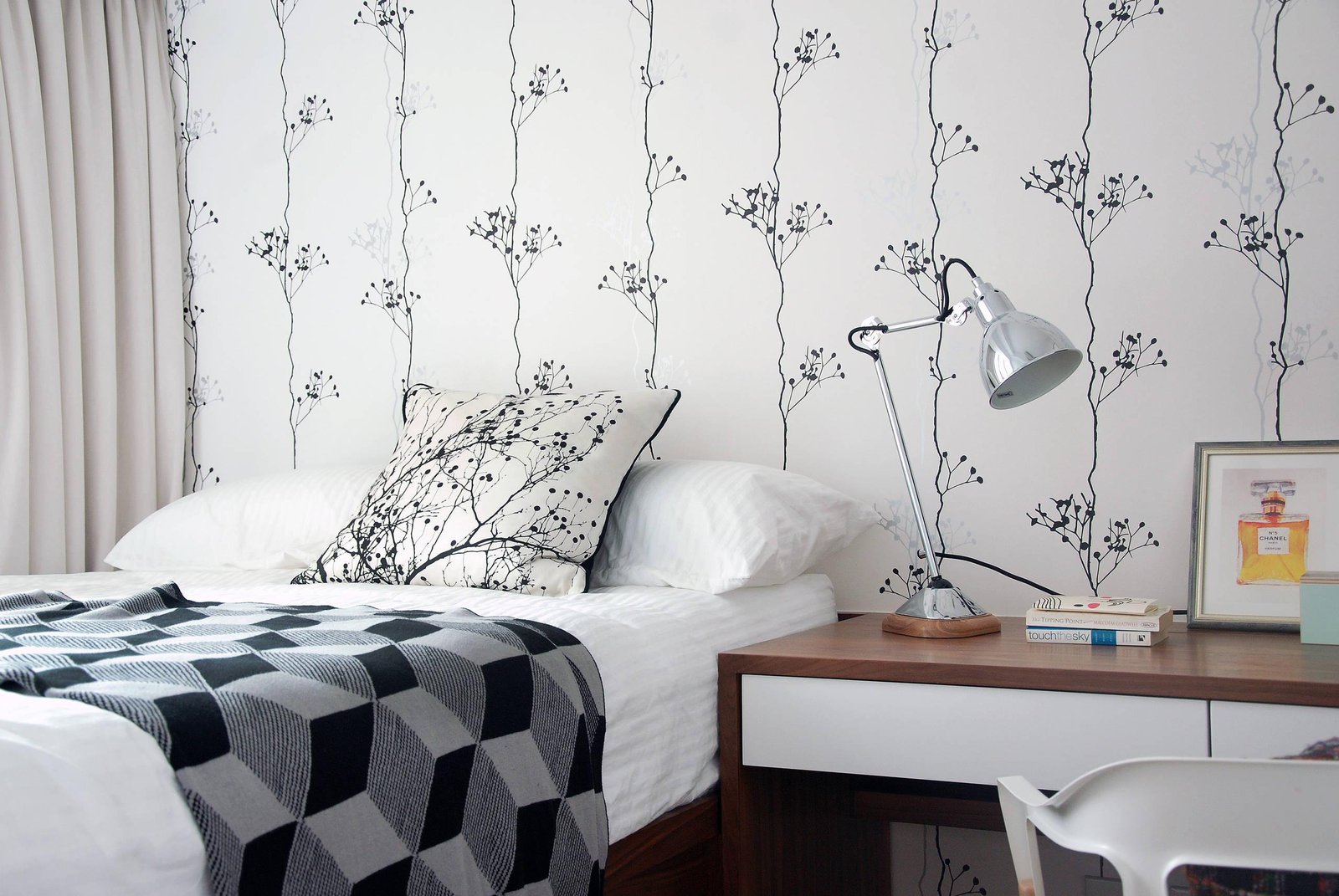
A calmer design allows the room to feel more open and relaxing.
12. Using Furniture Without Storage
A bedroom with limited storage can quickly become messy.
Furniture that only serves one purpose may not be the best choice for a smaller space.
Designers often recommend choosing pieces that provide extra storage, such as:
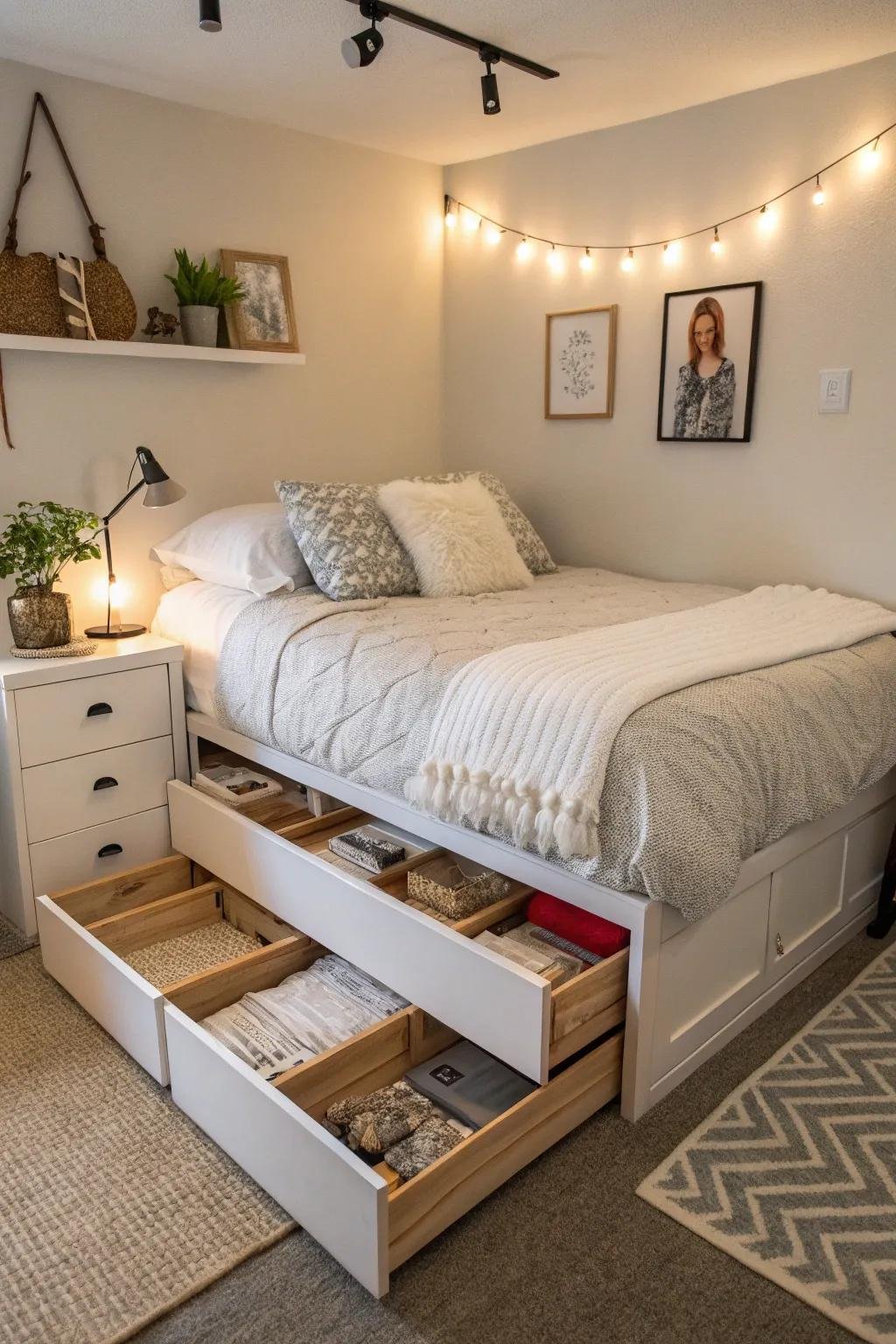
- Beds with built-in drawers
- Storage benches
- Nightstands with cabinets
- Multi-functional furniture
Smart storage keeps belongings organized while making the room feel cleaner.
13. Placing the Bed in the Wrong Position
The bed is usually the largest item in a bedroom, so its placement matters.
Putting the bed where it blocks pathways or makes the room feel unbalanced can reduce the sense of space.
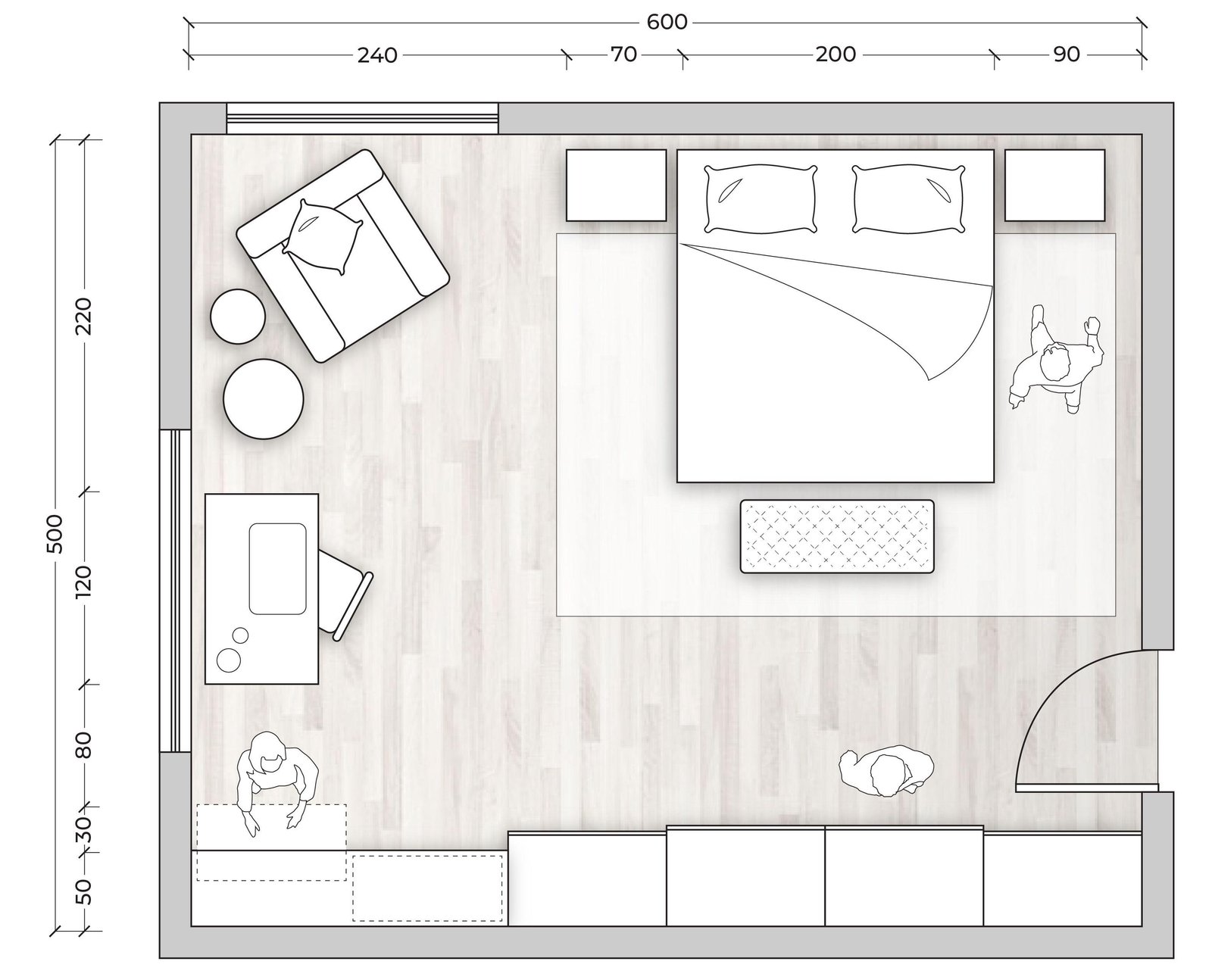
Try positioning the bed where there is enough walking room around it.
A balanced layout improves both comfort and visual flow.
14. Forgetting About Mirrors
Mirrors are one of the oldest design tricks for making rooms appear larger.
A well-placed mirror reflects light and creates the illusion of more space.
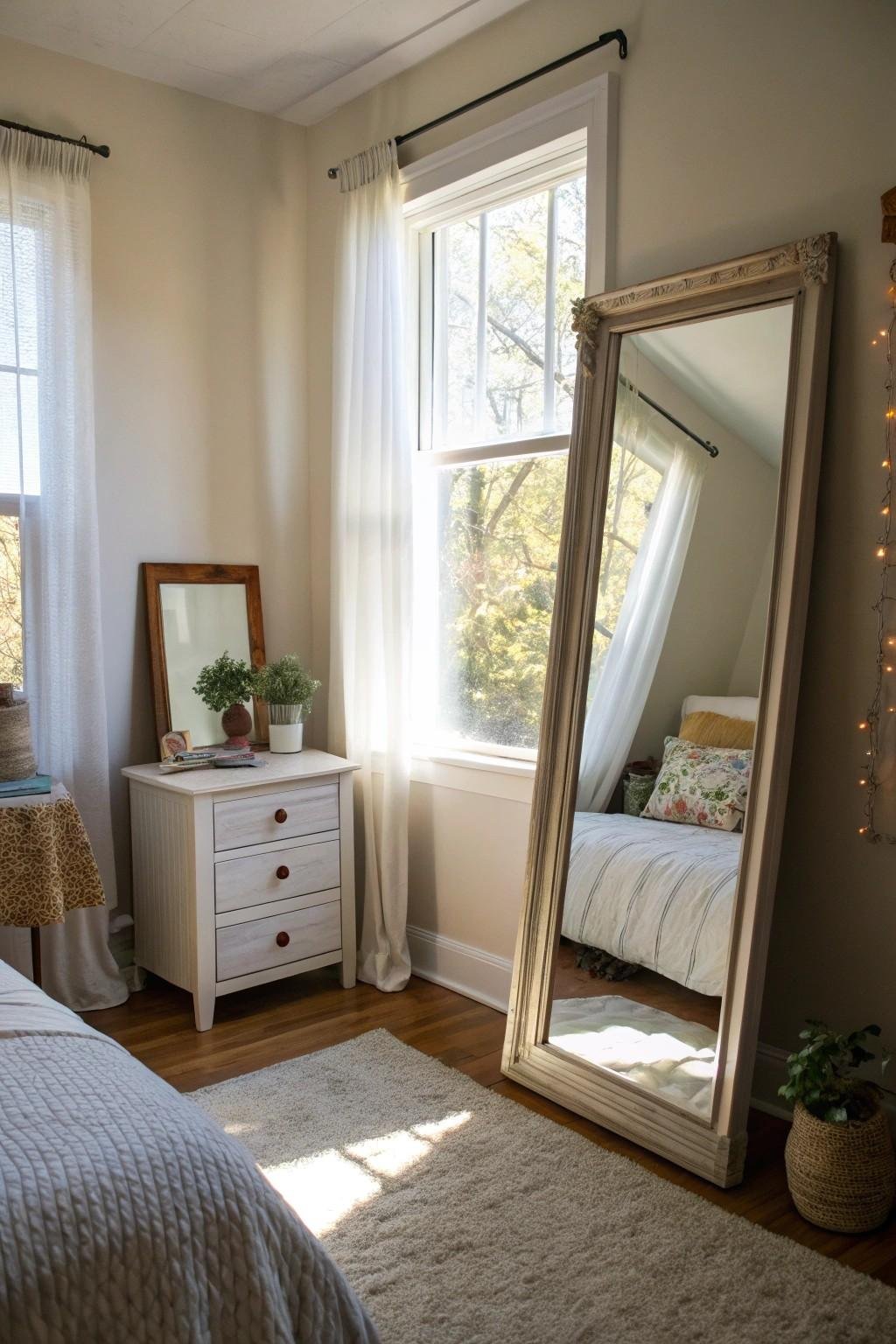
Try adding:
- A large wall mirror
- Mirrored closet doors
- A decorative standing mirror
The right mirror placement can instantly brighten a bedroom.
15. Keeping Too Many Unnecessary Items
A bedroom should be a place for rest, not a storage area for things you rarely use.
Too many clothes, decorations, furniture pieces, or unused items can make even a large bedroom feel crowded.
Regularly removing things you no longer need helps create a calmer environment.
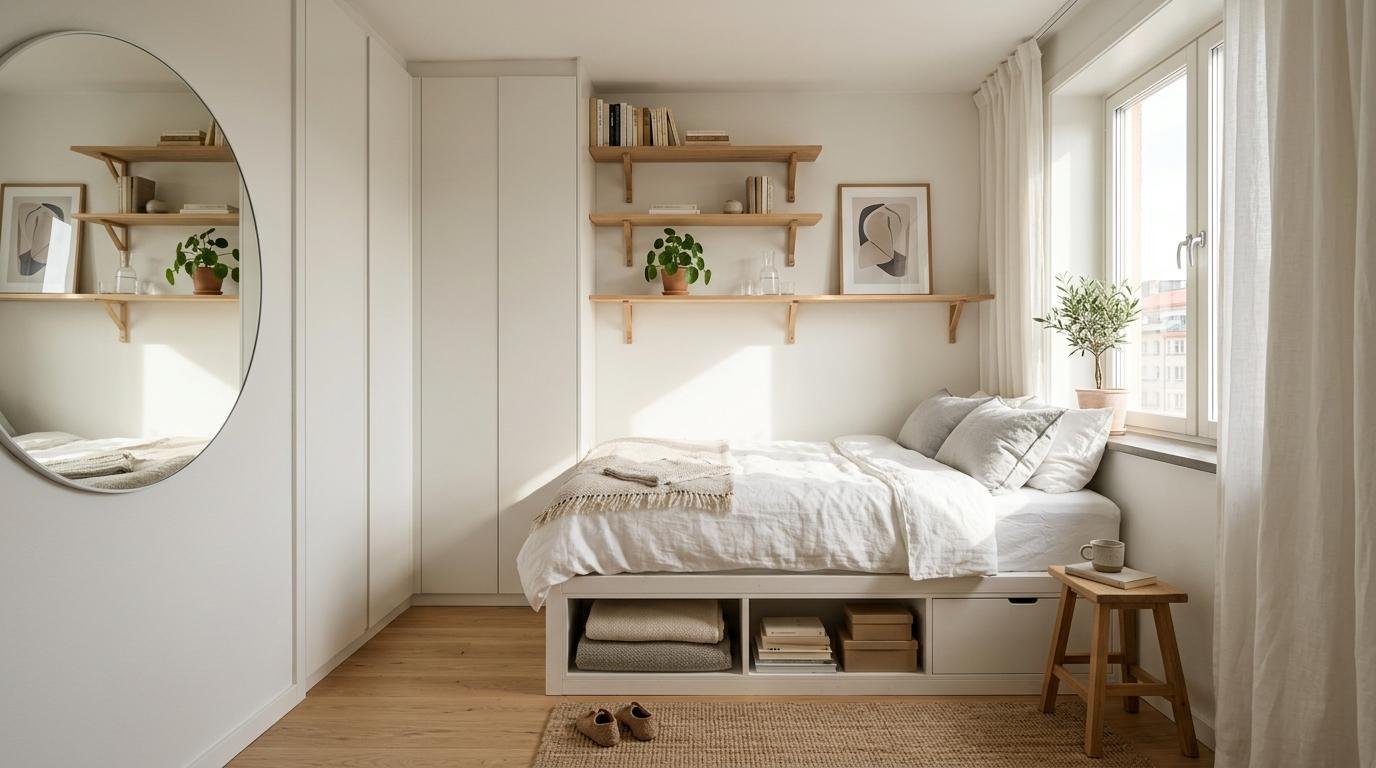
A simple, organized bedroom often feels much larger.
Final Thoughts
Making a bedroom feel larger is not always about increasing the size of the space.
Often, it comes down to smarter design choices, better organization, and creating a sense of balance.
By choosing the right furniture size, improving lighting, reducing clutter, and using space wisely, you can transform even a small bedroom into a comfortable and stylish retreat.
A well-designed bedroom should not only look beautiful—it should also feel peaceful, open, and easy to enjoy every day.